
NEWS
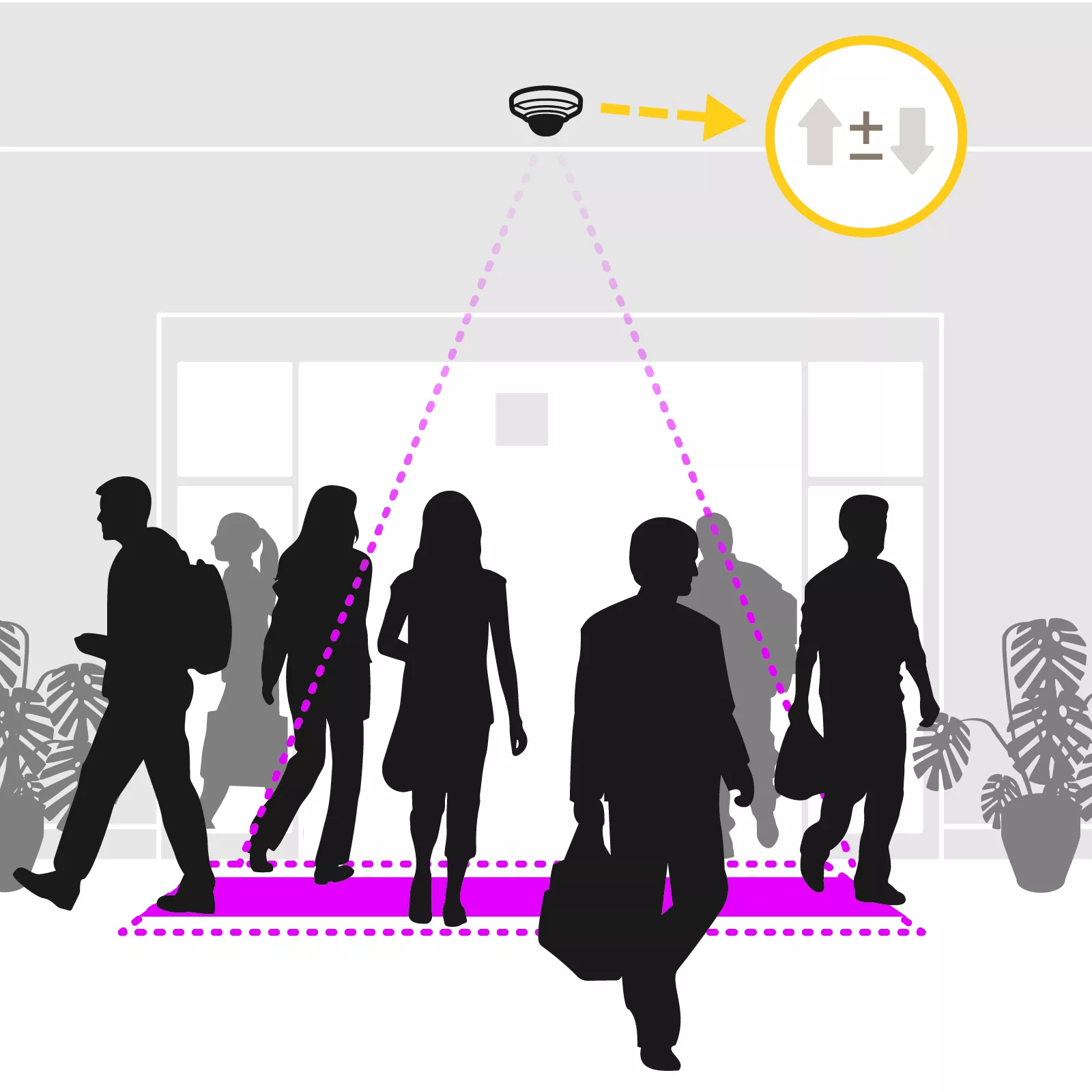
Why ToF Sensors Are Ideal for Real-Time Occupancy Monitoring and Space Utilization
In modern buildings, retail environments, and industrial facilities, understanding how people move through spaces is bec...
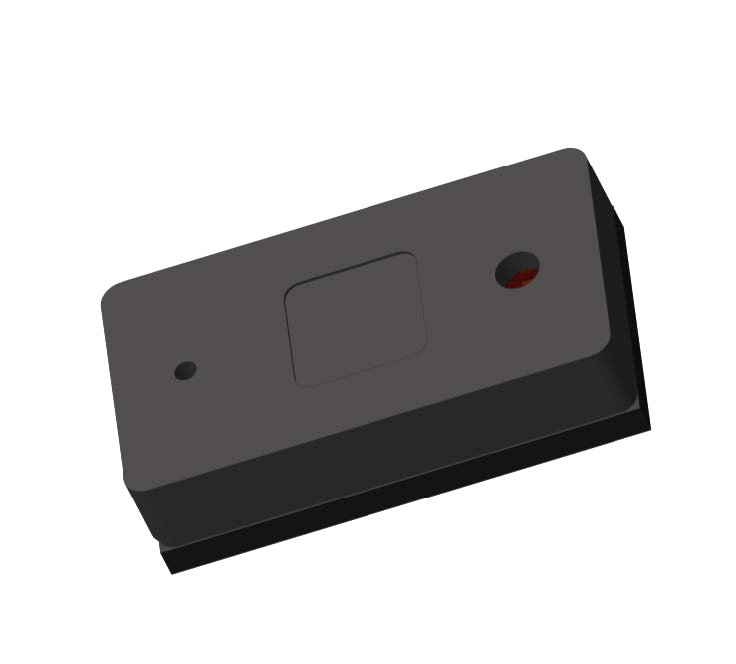
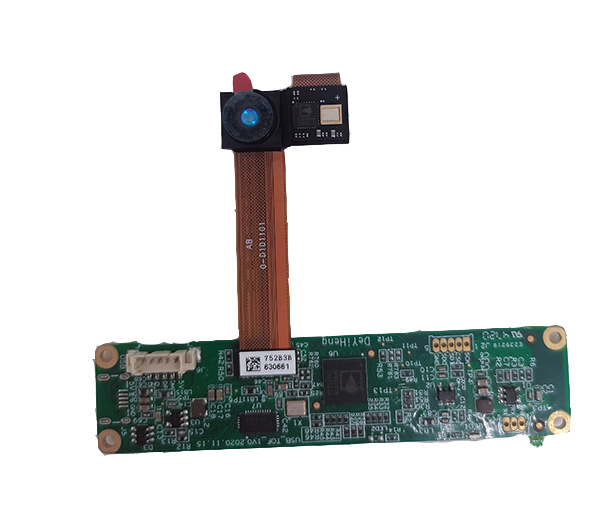
ESP32 has become a dominant platform in IoT, robotics, and embedded sensing systems due to its wireless capability, high performance, and low power consumption.When paired with a high-precision ToF module such as 1D ToF Sensor DM0301, ESP32 becomes a fully capable distance-sensing and perception node suitable for industrial automation, smart buildings, and service robots. This article explains the architecture, wiring, workflow, data output, and practical applications of an ESP32 + DM0301 system, accompanied by six illustration placeholders. 1. Overview of the DM0301 ToF Sensor The DM0301 is a highly integrated 1D Time-of-Flight ranging module with built-in VCSEL, SPAD array, micro-lens system, TDC (Time-to-Digital Converter), and MCU. DM0301 Specifications Item Specification Range Up to 4000 mm Light Source Receiver SPAD array Processor Internal MCU + TDC Interface I²C Accuracy ±2% typical Anti-Ambient Algorithm Yes Eye Safety Class I compliant DM0301 outputs distance directly through I²C, with noise filtering and ambient-light compensation handled internally. 2. ESP32 + DM0301 System Architecture 2.1 High-Level Architecture ┌──────────────────────────────────────────┐ │ ESP32 │ │ • I2C Master │ │ • Data Processing │ │ • Logic Control │ │ • Wi-Fi / BLE Communication │ └───────────────┬───────────────┬──────────┘ SDA SCL │ │ ▼ ▼ ┌─────────────────────────────┐ │ DM0301 │ │ VCSEL → Emit IR │ │ SPAD → Detect Return │ │ MCU → Ranging Output │ └─────────────────────────────┘ 3. Wiring Between ESP32 and DM0301 Standard I²C Connection ESP32 DM0301 ------------------------ 3.3V → VCC GND → GND GPIO 21 → SDA GPIO 22 → SCL 4.7kΩ pull-up resistors are recommended for robust I²C communication. 4. ESP32–DM0301 Communication Flow ESP32 Performs Initialize I²C bus Configure DM0301 measurement mode Poll distance register Process data or upload online DM0301 Provides Distance (mm) Signal strength Ambient light estimation Error/validity flags Sample Output Distance: 832 mm Signal Quality: 94% Ambient: Low Distance: 832 mm Signal Quality: 94% Ambient: Low 5. Performance Characteristics 5.1 Distance Range vs Object Type Object Type Reflectivity Max Range White board ~90% ~4000 mm Human skin ~30–40% ~2500 mm Black cloth ~10% ~1500 mm 5.2 Ambient Light Resistance Lighting Condition Effective Range Indoor 4000 mm Cloudy outdoor ~1200 mm Direct sunlight ~1000 mm 6. Real-World Applications 6.1 Smart Occupancy Monitoring Ceiling-mounted DM0301 measures user presence ESP32 uploads to cloud Supports real-time room utilization analytics 6.2 Service Robots (e.g., Restaurant Delivery Robot) DM0301 provides: Obstacle detection Short-range human detection ESP32 provides: Robot logic Wireless communication 6.3 Warehouse Picking & Inventory Automation Shelf distance measurement Detect presence/absence of items Smart AGV navigation Bin-level detection 6.4 People Counting Systems Using multiple DM0301 sensors: ESP32 processes beam breaks Determines direction of movement Achieves high accuracy without a camera 7. Example ESP32 Code for Reading Distance #include <Wire.h> #define DM0301_ADDR 0x29 void setup() { Serial.begin(115200); Wire.begin(21, 22); // SDA, SCL } uint16_t readDistance() { Wire.beginTransmission(DM0301_ADDR); Wire.write(0x00); // Distance register Wire.endTransmission(); Wire.requestFrom(DM0301_ADDR, 2); uint16_t dist = Wire.read() << 8 | Wire.read(); return dist; } void loop() { uint16_t distance = readDistance(); Serial.print("Distance: "); Serial.print(distance); Serial.println(" mm"); delay(100); } Conclusion By integrating ESP32 with the DM0301 ToF sensor, developers can build high-precision, real-time sensing systems suitable for automation, robotics, smart buildings, and consumer applications.The system delivers: 1D millimeter-level precision Real-time wireless data transmission Stable anti-ambient performance Compact and low-power IoT deployment This combination is ideal for next-generation sensing and intelligent environments.
Read Featured StorySpeak with our engineering team to find the perfect sensor for your application.
Contact Engineers
In modern buildings, retail environments, and industrial facilities, understanding how people move through spaces is bec...
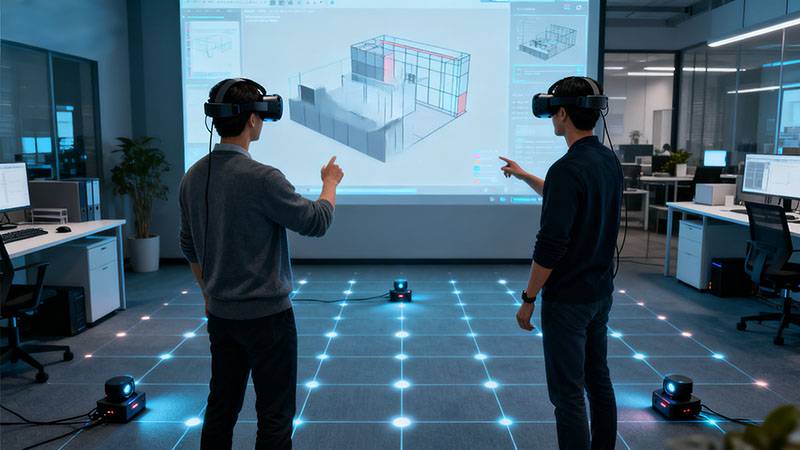
Explore how Time-of-Flight (ToF) sensors are enhancing immersive experiences in AR and VR, providing better depth sensin...
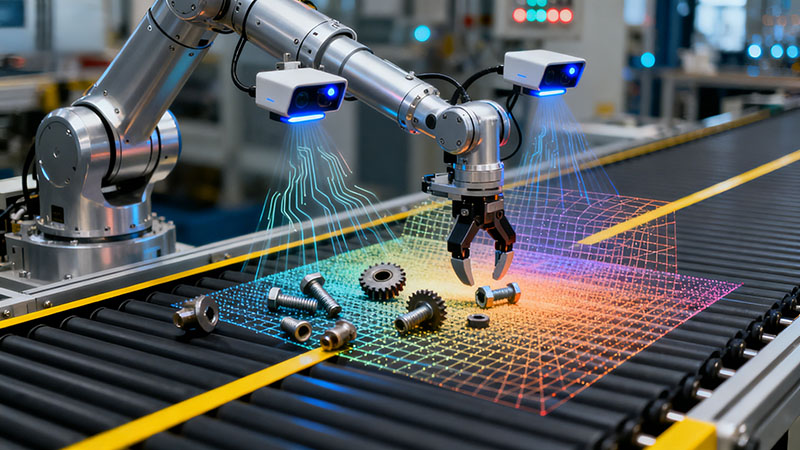
Discover how AI-powered Time of Flight (ToF) sensors drive advances in 3D sensing, AR, autonomous vehicles, and industri...

As the global population ages, there is a growing need for innovative solutions to support elderly care.

ToF cameras represent a crucial component of the sensor suite in autonomous driving systems, enabling vehicles to percei...
Short Range Time-of-Flight (TOF) sensors have various applications due to their ability to measure distances accurately ...

ToF technology operates on the principle of measuring the time it takes for a light signal to travel from a source to an...
We're thrilled to announce the release of our groundbreaking 3D ToF camera DM_5005A, available now for an incredible pri...

In the realm of modern technology, sensors play a crucial role in enabling devices to perceive and interact with their s...