


July 17, 2026
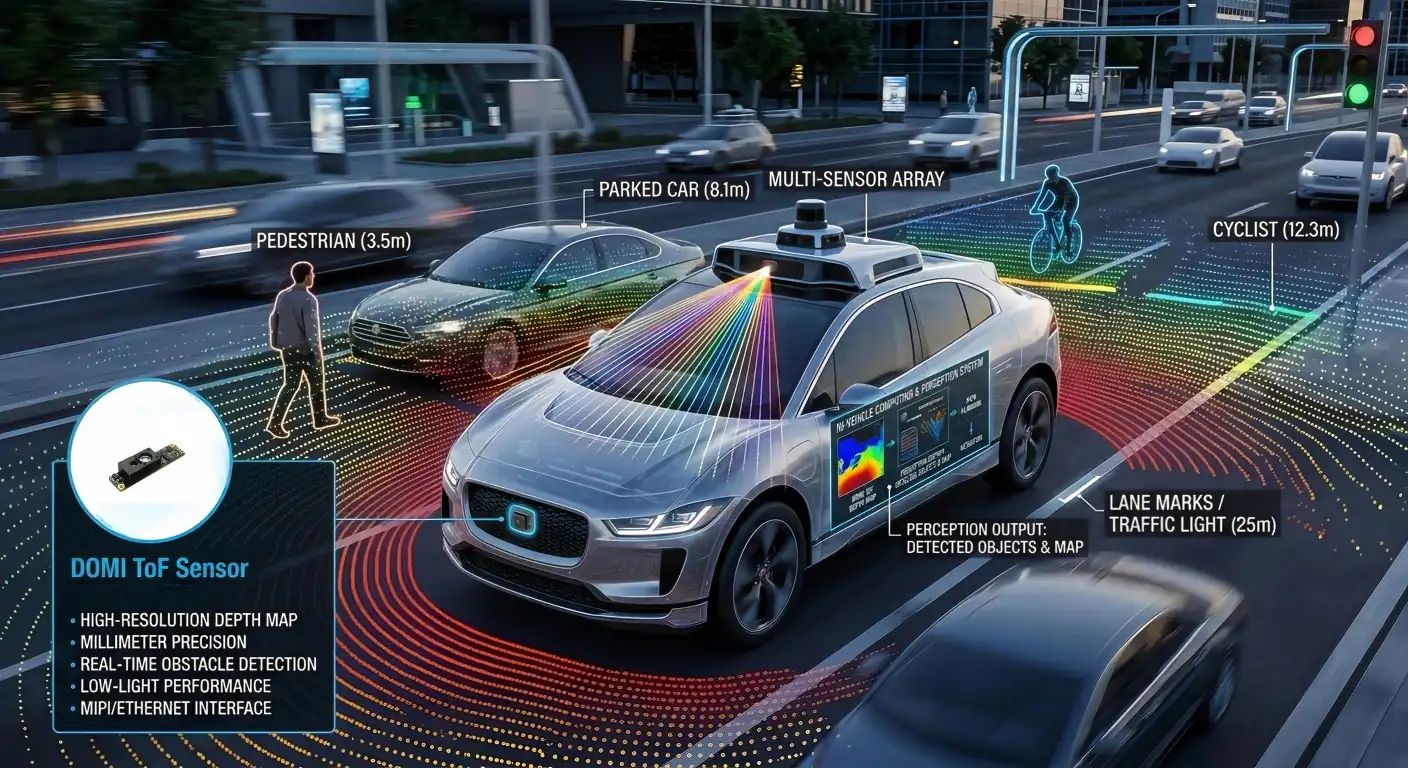
dToF in Autonomous Vehicles: How Direct Time-of-Flight Sensors Power the Next Generation of Automotive Perception
The best ranging technology for autonomous vehicle LiDAR in 2026 is SPAD-based direct…
Read MoreCutting-edge Time-of-Flight sensors and depth cameras for precise 3D imaging, empowering innovation across industries worldwide.
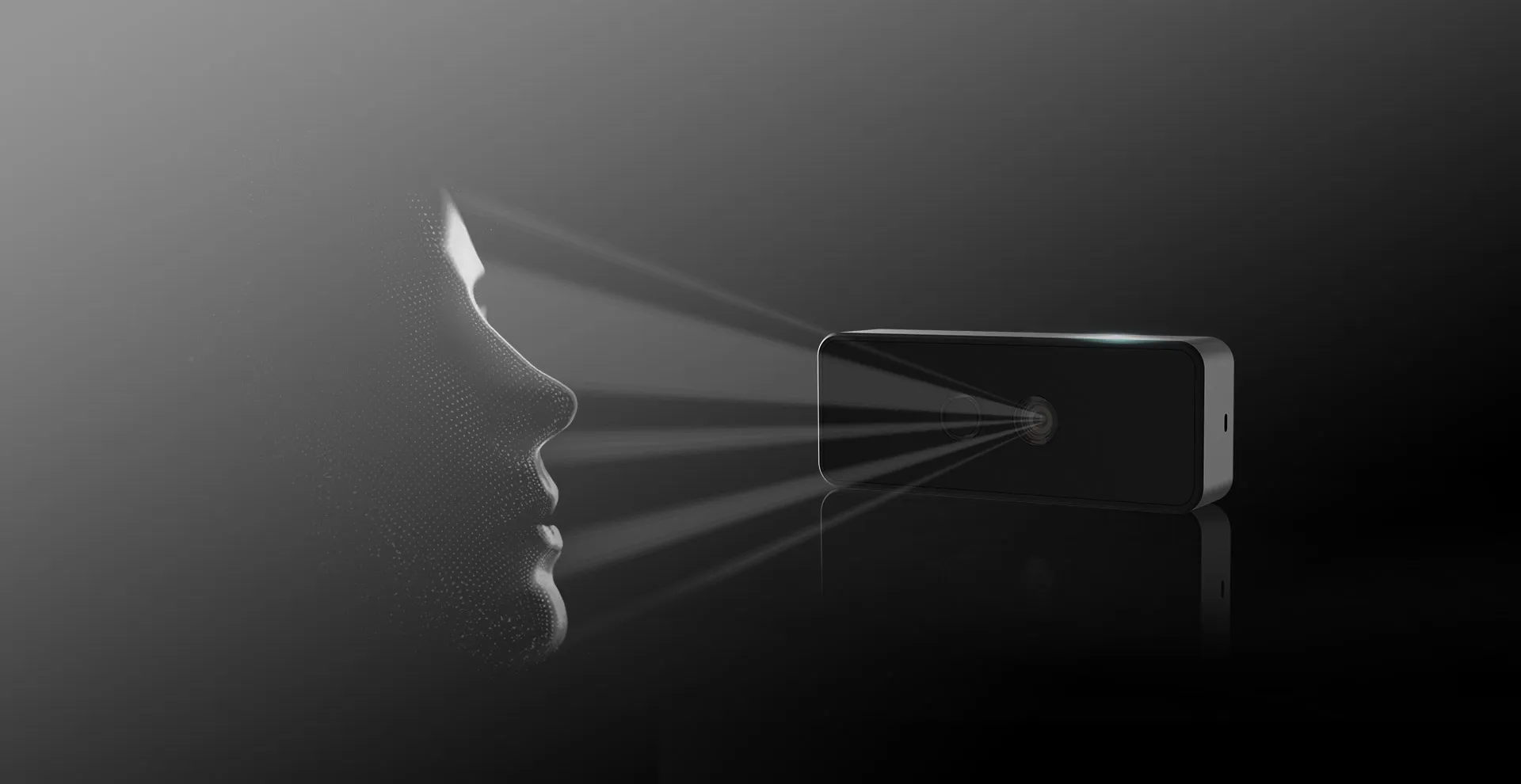
DOMI ToF sensors enhance face recognition with high-accuracy depth sensing, offering better security, faster processing, and resistance to lighting and angle changes. Ideal for access control and payment systems.
DOMI ToF sensors boost warehouse robots with precise depth sensing, improving accuracy, speed, and navigation in dynamic environments. Perfect for efficient, automated picking.
DOMI delivers cutting-edge ToF sensors engineered for accuracy, speed, and integration flexibility.
Engineered for precise measurements in demanding applications where every millimeter matters.
Real-time depth perception for fast control loops and responsive human interaction.
Flexible interfaces and comprehensive SDKs for quick deployment into existing systems.
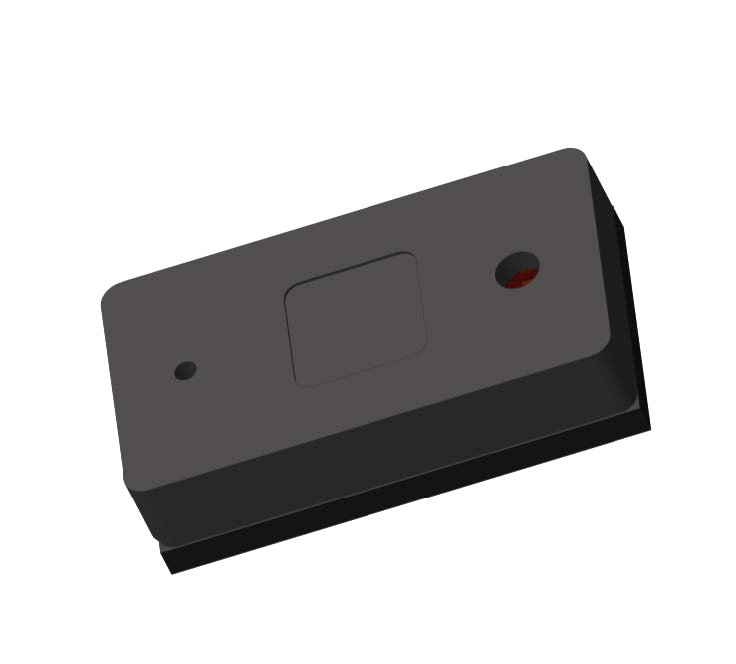
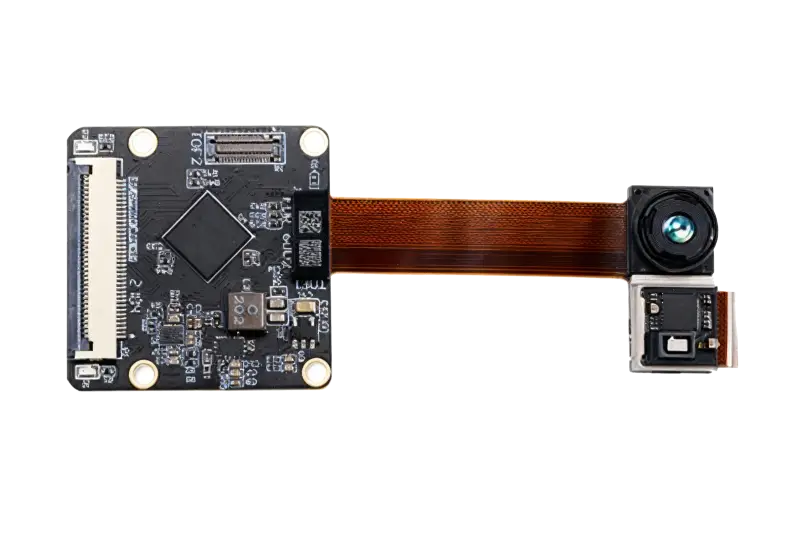
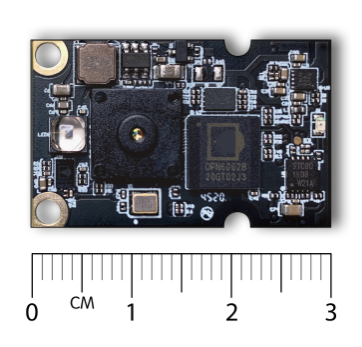
High-precision depth sensing that elevates performance across every industry.
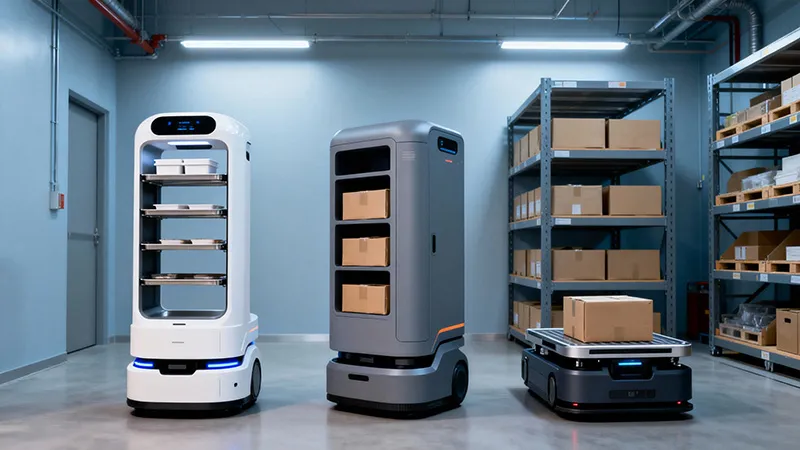
Empowering service robots and AMRs with reliable SLAM capabilities. Achieve precise navigation and safety in complex, dynamic indoor environments.
Learn More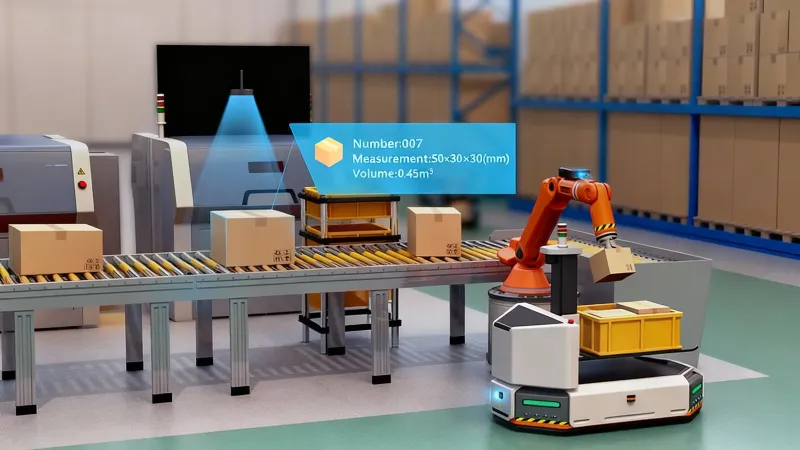
Revolutionizing logistics with instant, non-contact box dimensioning and volumetric weight calculation using high-precision 3D depth maps.
Learn More
Unlocking next-gen Mixed Reality. Precise hand tracking and environment mapping allow digital objects to interact realistically with the physical world.
Learn More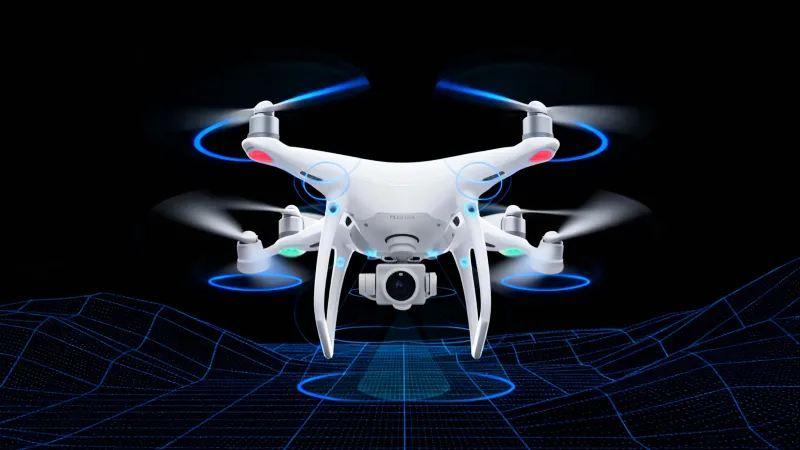
Critical depth data for collision avoidance and soft landing. Fly safely in complex, low-light, or GPS-denied environments with confidence.
Learn More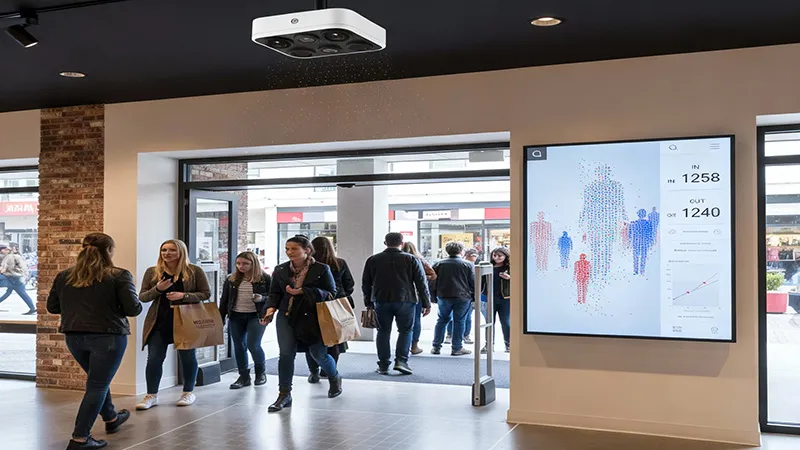
Anonymous, high-accuracy footfall traffic analysis. Optimize retail layouts and HVAC energy usage with privacy-compliant 3D data.
Learn More
Ensuring banking-grade security with 3D liveness detection. Prevent photo spoofing and enable fast, reliable access control for smart devices.
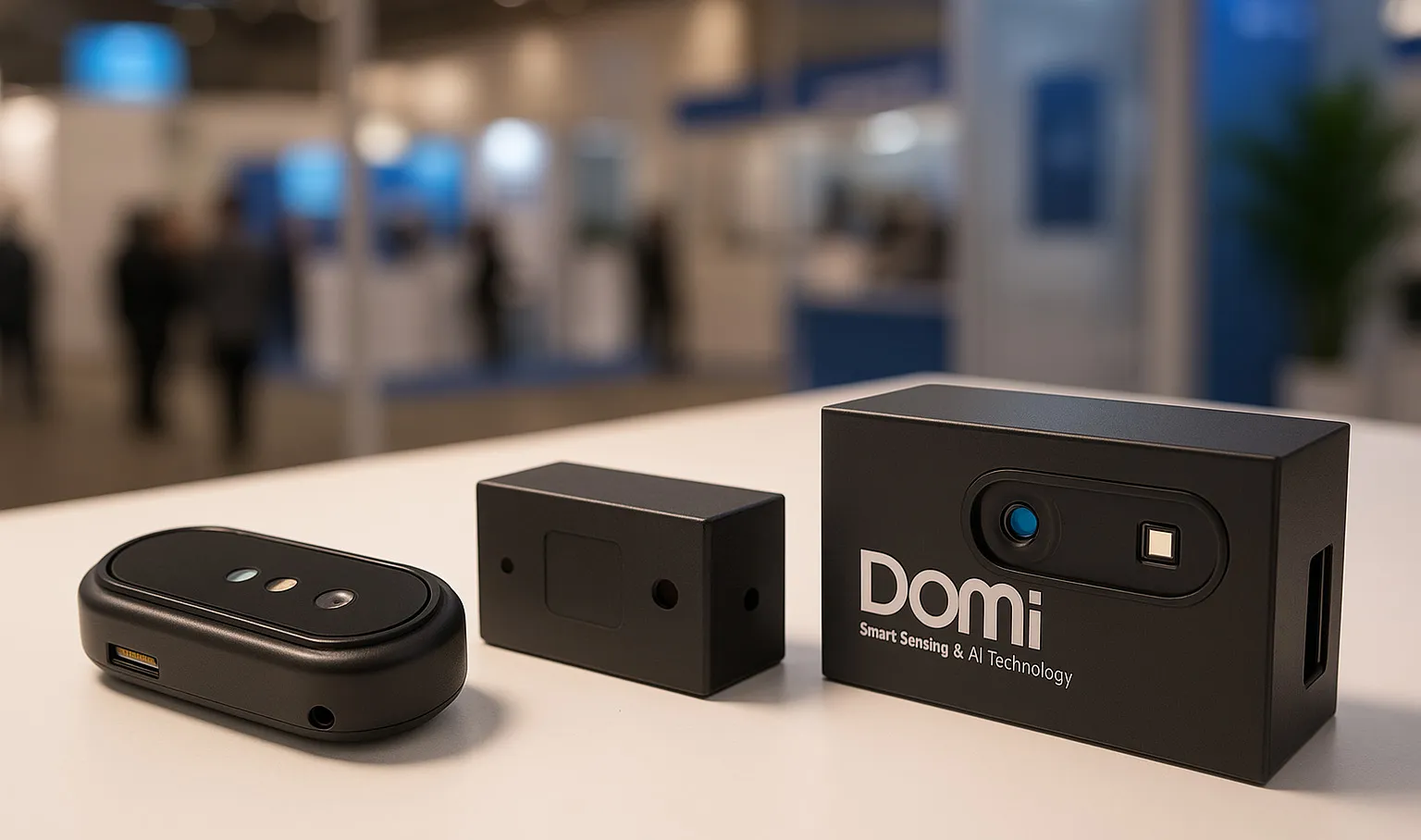
Learn MoreDOMI brings over 15 years of tier-1 semiconductor experience (ex-Analog Devices & STMicroelectronics) to the world of 3D depth sensing.
We don't just build camera modules; we engineer the "eyes" of future robotics and IoT devices. From algorithm development to optical design, our solutions are built for precision, reliability, and seamless integration for our 500+ global partners.
Innovators Empowered
Core Tech Patents
Countries Deployed
R&D Specialists
Find answers to common questions about DOMI ToF sensors, products, and services.
Stay updated on the latest ToF sensor trends and depth technology breakthroughs.
July 17, 2026
The best ranging technology for autonomous vehicle LiDAR in 2026 is SPAD-based direct…
Read More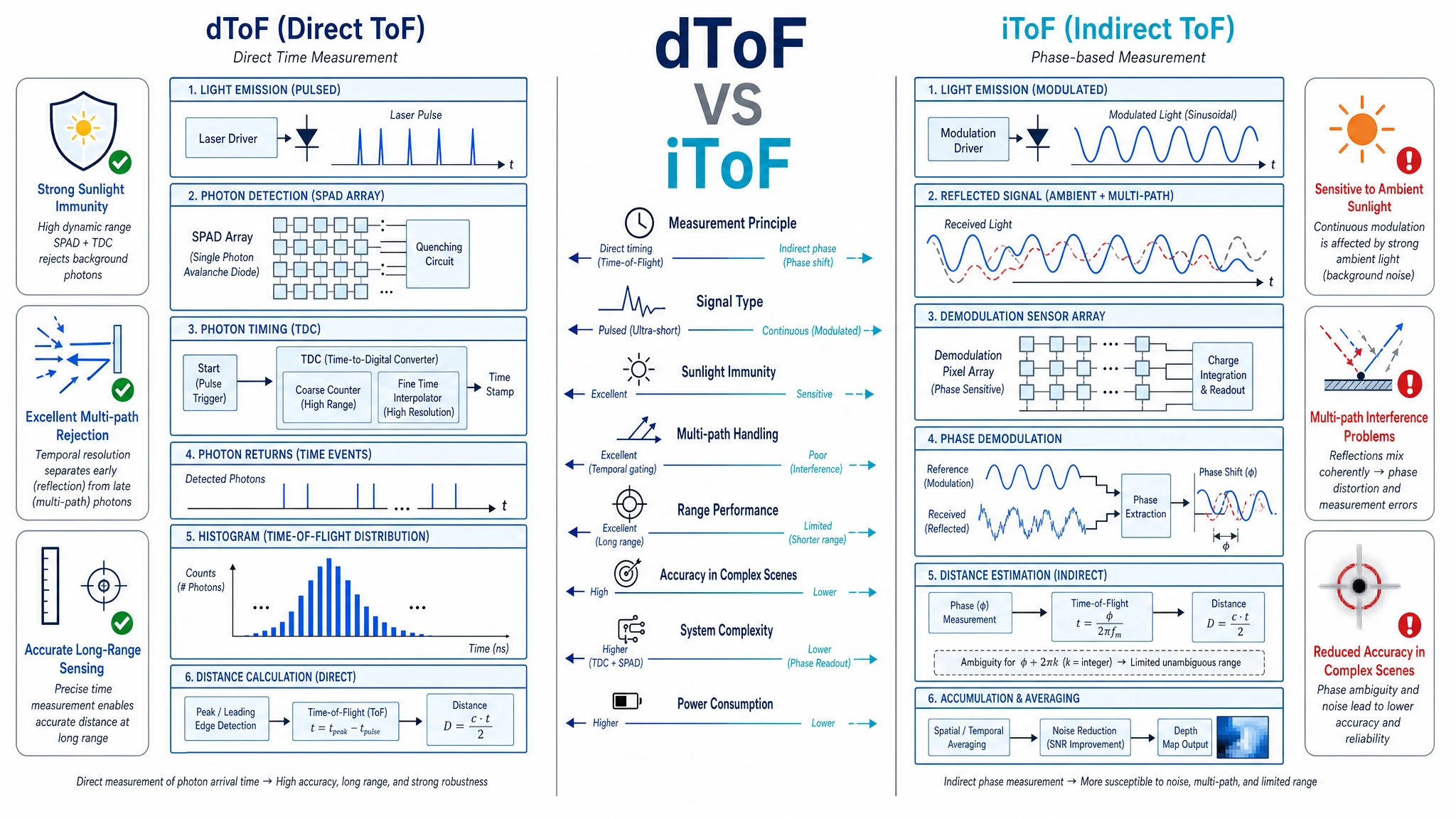
May 27, 2026
Direct Time-of-Flight (dToF) is the essential depth sensing technology for Physical AI because it…
Read More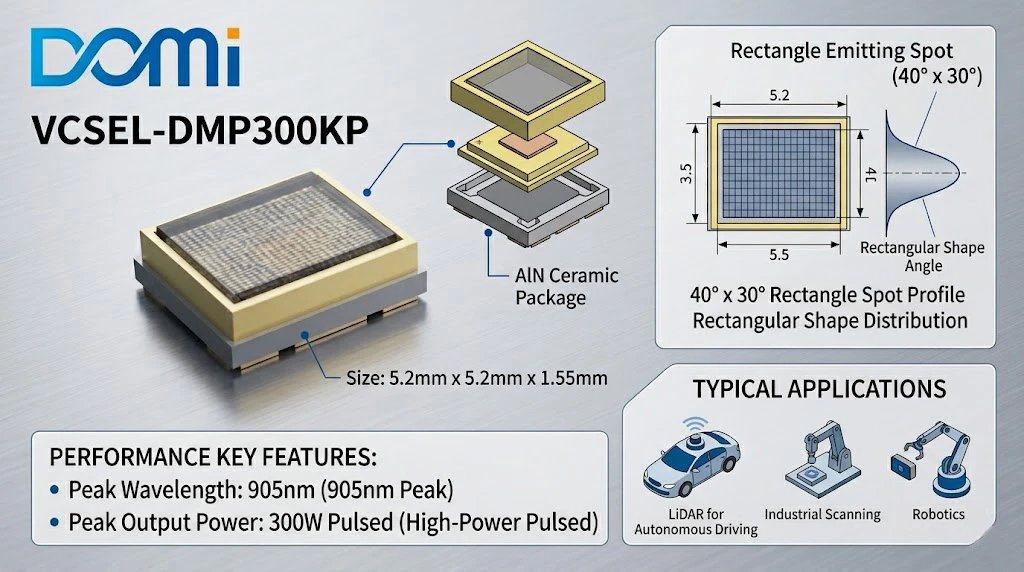
May 8, 2026
We are thrilled to announce the launch of the DMP300KP, our latest high-performance Vertical Cavity…
Read MoreFrom custom ToF modules to mass production, our engineers are ready to help you build smarter, more accurate devices.
Response within 24 hours